
- November 23, 2026
Traveling brings new experiences, beautiful memories, and opportunities to explore different places. But for Muslim families, it can also bring challenges when trying to maintain daily Islamic routines. Between long journeys, sightseeing, and changing schedules, finding time for Quran learning may seem difficult.
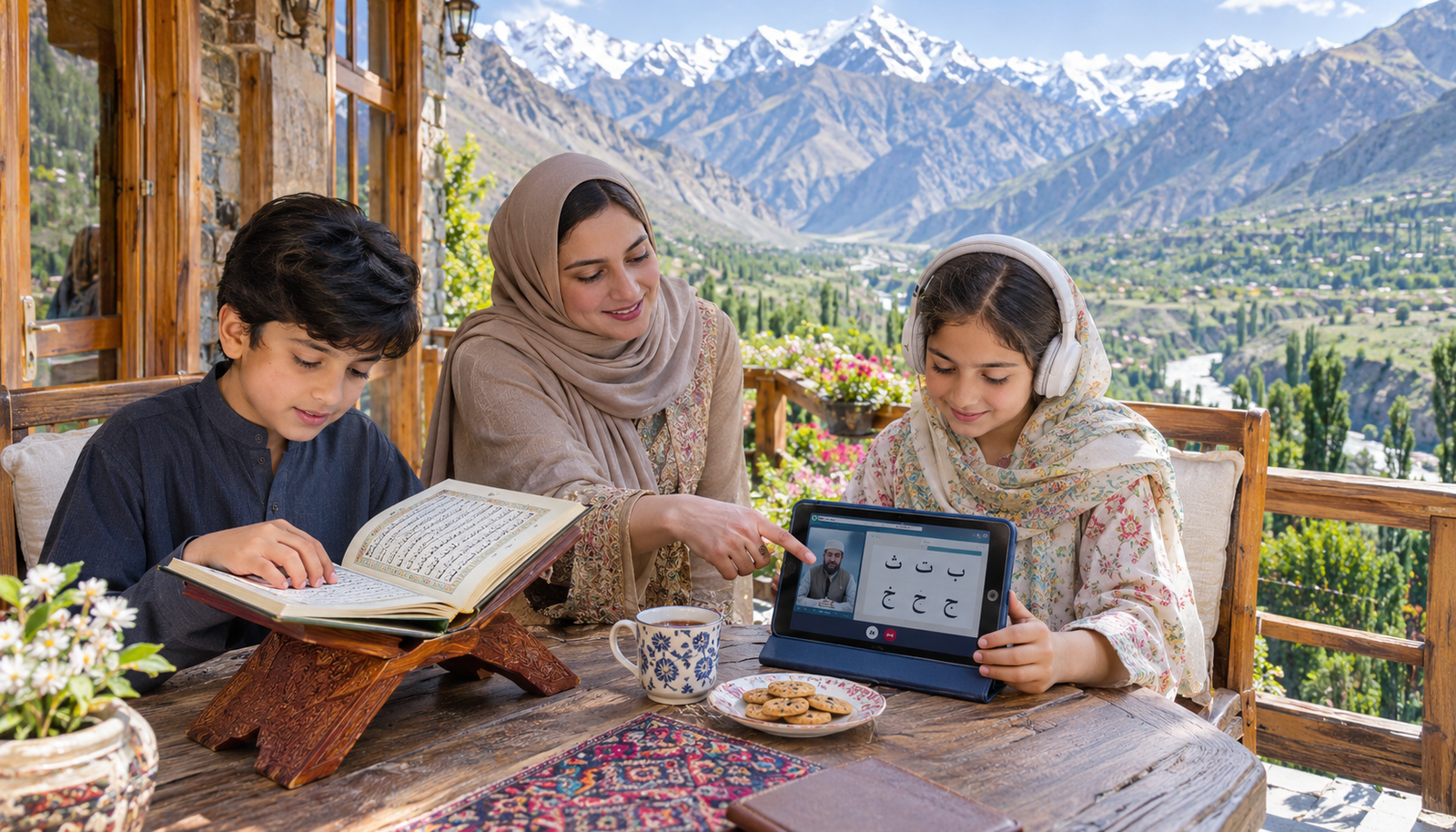
The good news is that Quran learning while traveling doesn’t have to stop. With a little planning, flexible lessons, and simple daily habits, both children and adults can stay connected to the Holy Quran wherever their journey takes them.
Why Is Quran Learning Important During Travel?
Learning the Quran is a continuous journey. Regular reading helps Muslims improve their pronunciation, strengthen memorization, and develop a deeper understanding of Islamic teachings.
However, traveling often changes normal routines. Children may miss their usual study hours, while adults become occupied with transportation, hotel arrangements, and family activities.
Taking a complete break from Quran learning can make it harder to return to established habits, especially for beginners.
Even 10 to 15 minutes of daily Quran reading can help maintain consistency. The goal isn’t to complete lengthy lessons during a vacation. It’s to keep learning manageable and meaningful.
1. Create a Flexible Quran Learning Schedule
A fixed study routine works well at home, but travel requires flexibility.
Instead of following your usual timetable, choose a convenient period when family members are relaxed and less distracted.
For example:
- Early morning: Read a few verses after Fajr before starting the day’s activities.
- During travel breaks: Revise previously memorized surahs or listen to Quran recitation.
- Before bedtime: Spend 10 minutes reviewing Tajweed rules or short surahs.
Families visiting destinations such as Hunza, Skardu, or Kashmir can plan short Quran sessions around their sightseeing schedules.
The important thing is consistency rather than the number of minutes spent studying.
2. Continue Learning Through Online Quran Classes
One of the easiest ways to maintain Quran education during travel is through online learning.
Traditional classes may require students to attend lessons at a specific location. Online classes offer greater flexibility because students can connect with qualified teachers from different places.
Parents who want their children to continue structured lessons during holidays can consider an online quran academy that provides personalized Quran instruction through virtual classrooms.
Depending on the learning program, students may continue studying Noorani Qaida, Quran reading, Tajweed, or memorization while traveling.
Before leaving home, check your internet availability, inform your teacher about possible schedule changes, and arrange suitable lesson times.
This approach helps families maintain educational continuity without allowing classes to interfere with their travel experiences.
3. Use Travel Time for Quran Revision
Long journeys often involve several hours of sitting in cars, buses, trains, or airplanes.
Instead of spending all that time watching videos or browsing social media, families can dedicate a small portion to Quran revision.
Children can practice short surahs they already know, while adults can listen to recitations and review familiar verses.
For younger learners, parents can make revision interactive by asking simple questions about previously learned lessons.
However, avoid turning every journey into a formal classroom. Keep activities relaxed, especially when children are tired.
A few minutes of enjoyable revision can be more beneficial than a lengthy session that feels exhausting.
4. Download Quran Learning Resources Before Traveling
Internet connections aren’t always reliable, particularly when visiting mountainous destinations or remote tourist areas.
Northern Pakistan, for example, includes beautiful valleys where mobile network coverage may vary.
Downloading Quran learning materials before departure can help prevent interruptions.
Useful resources include:
- Quran applications with offline reading features.
- Audio recitations by reliable Quran reciters.
- Previously recorded lessons, where permitted.
- Digital Tajweed guides and pronunciation exercises.
- Short surah revision worksheets for children.
Save these materials on a phone or tablet so they remain accessible without mobile data.
Offline resources are especially helpful during road trips and unexpected connectivity problems.
5. Make Quran Learning Enjoyable for Children
Children naturally become excited about vacations. They want to explore new places, play outdoors, and spend time with family.
Expecting them to follow an intensive study schedule during holidays may reduce their enthusiasm.
Instead, introduce simple activities that connect Quran learning with everyday experiences.
For instance, while exploring mountains, rivers, and forests, parents can discuss how the Quran encourages reflection on Allah’s creation.
Surah Al-Ghashiyah (88:17–20) invites reflection on the camel, sky, mountains, and earth.
These conversations can help children understand that Islamic learning isn’t limited to books or classrooms.
Parents can also encourage children to recite a familiar surah, discuss its meaning, or share something they learned during their regular lessons.
6. Adjust Quran Lessons According to Your Destination
Not every vacation follows the same schedule.
A family spending several days in a city may have reliable internet and predictable free time. Meanwhile, travelers exploring remote valleys may experience long road journeys and limited connectivity.
For city-based trips, maintaining regular online lessons may be practical.
For remote destinations, shorter revision sessions and offline resources may work better.
Families traveling internationally should also consider time-zone differences before arranging live classes.
A lesson scheduled for the afternoon at home might fall late at night in another country.
Communicating with your teacher beforehand can help avoid unnecessary interruptions.
7. Focus on Consistency, Not Perfection
One common mistake families make is trying to maintain exactly the same learning schedule during vacations.
Traveling involves unexpected delays, changing plans, and occasional exhaustion.
Missing a planned session doesn’t mean the entire routine has failed.
If a full lesson isn’t possible, read a few verses, revise a short surah, or listen attentively to Quran recitation.
The Prophet Muhammad (peace be upon him) taught that the deeds most beloved to Allah are those performed consistently, even if they are small. This teaching is recorded in Sahih al-Bukhari and Sahih Muslim.
A simple, sustainable routine can help families preserve their connection with the Quran throughout their journey.
Frequently Asked Questions
Can children continue Quran learning while traveling?
Yes. Children can continue through short daily revision sessions, offline learning resources, and online Quran lessons when internet access is available.
How much time should I spend learning the Quran during vacation?
Around 10 to 15 minutes daily can be a practical starting point. The ideal duration depends on the learner’s age, ability, and travel schedule.
Can I attend online Quran classes from another country?
Yes, provided you have a suitable device, stable internet connection, and a class time that works across the relevant time zones.
What if there is no internet during my trip?
Download Quran recitations and study materials before traveling. You can continue reading, listening, and revising offline until connectivity returns.
Final Thoughts
Quran learning while traveling doesn’t need to be complicated. Whether you’re enjoying a family holiday in northern Pakistan, visiting another country, or taking a short weekend trip, small learning habits can make a meaningful difference.
Plan flexible study times, prepare offline resources, and keep lessons enjoyable for children. When possible, continue structured learning with a teacher who can accommodate your travel schedule.
Most importantly, remember that Quran education is a lifelong journey. A change in location doesn’t have to mean a break in learning.
Comments